Body Recomposition Meal Planning: Protein Targets and Calorie Math It was cheap — under $30. She pulled the blanket higher. It didn't help. Nothing helped.
06 Body Recomposition Meal Planning: Protein Targets and Calorie Math
Fifteen years ago, if you wanted to lose fat and gain muscle at the same time, most trainers would have laughed at you. “Pick one,” they’d say. “Bulk or cut. You can’t do both.” They were wrong. They just didn’t have the data yet. A 2016 meta-analysis changed things. Researchers pooled data from dozens of studies and found something that bodybuilders had known anecdotally for years: beginners and returning lifters could indeed lose fat and gain muscle simultaneously. The effect wasn’t huge—about 0.5-1.0% body fat loss per month, with 0.5-1.0 pounds of muscle gain per month—but it was real. The mechanism was simple. When you provide enough protein and a modest calorie surplus or deficit, your body can partition nutrients toward muscle while pulling energy from fat stores. Marcus learned this the hard way. He’d been eating at maintenance, lifting heavy, and getting stronger. But the scale didn’t move, so he almost cut calories. That would have killed his recomposition. His body needed those calories to build muscle. The Body Recomposition Planner can show you the numbers.
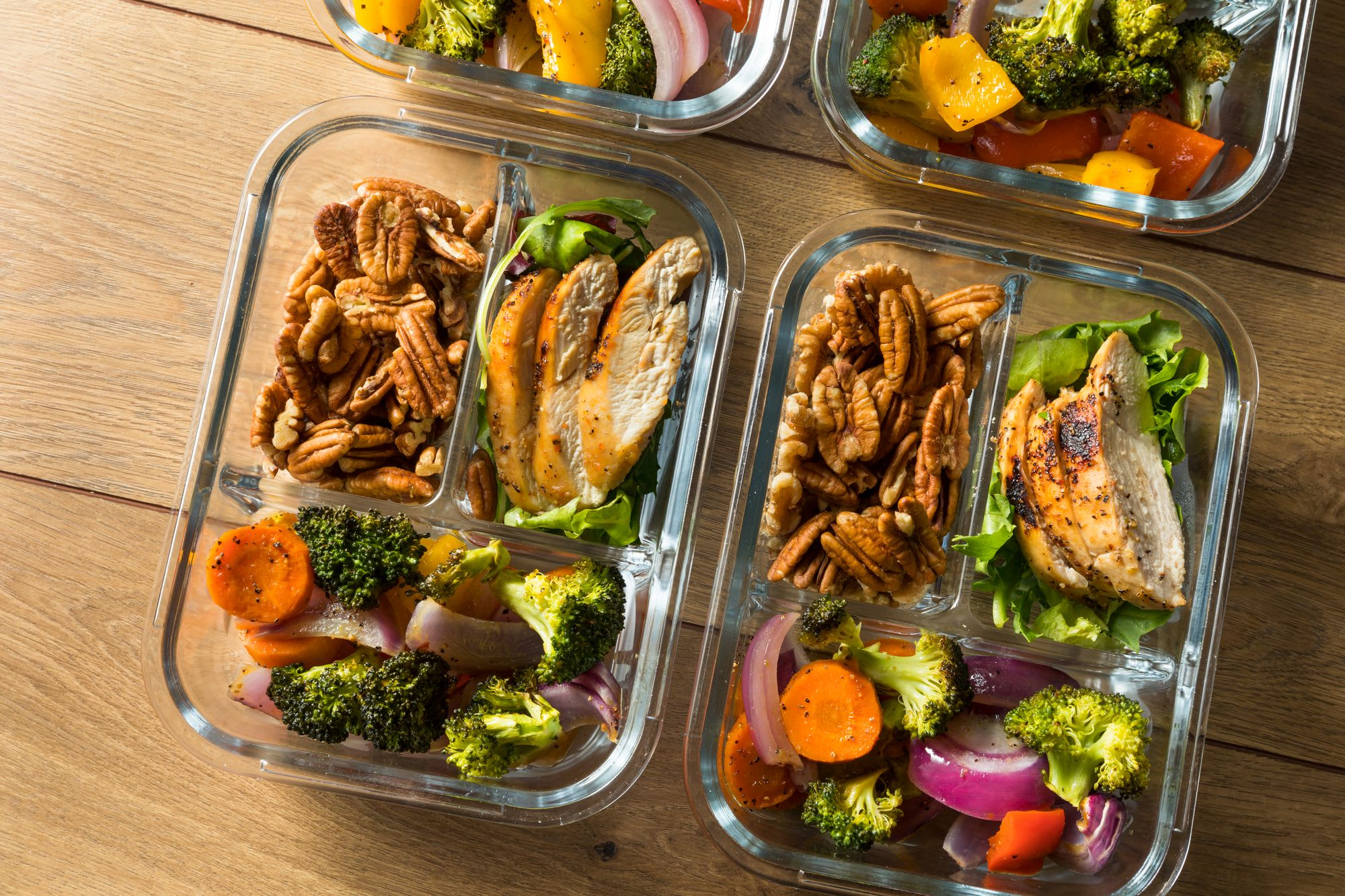
Let me walk you through the calorie math first. Your body has a maintenance level—the number of calories you burn in a day. If you eat more than that, you gain weight. Less, you lose weight. For recomposition, you want to eat close to maintenance. Slightly below if you’re above 25% body fat (for women) or 20% (for men). Slightly above if you’re leaner. The sweet spot is a deficit or surplus of no more than 200-300 calories per day. I use a simple formula: multiply your body weight in pounds by 12-14 to estimate your maintenance calories. For a 160-pound woman, that’s 1,920 to 2,240 calories. For a 200-pound man, 2,400 to 2,800. Adjust based on your activity level. More active = higher end. Then there’s protein. This is the non‑negotiable part. Research is clear: for muscle gain during recomposition, you need 1.6 to 2.2 grams of protein per kilogram of body weight. That’s about 0.7 to 1.0 grams per pound. A 160-pound person needs 110-160 grams of protein a day. A 200-pound person needs 140-200 grams. The Lean Body Mass Calculator can help you set your target based on lean mass, not total weight.
Marcus’s lean mass was 165 pounds. That’s 75 kilograms. His protein target was 120-165 grams per day. He was already hitting 160. Good. Most people mess up protein distribution. They eat a small breakfast, a medium lunch, and a huge dinner. Muscle protein synthesis maxes out at about 0.4-0.5 grams per kilogram per meal. That’s 30-40 grams for a 180-pound person. Eating 80 grams of protein in one meal doesn’t double the effect. Spread it out. Four meals of 30-40 grams each is better than two meals of 80 grams. I tell my clients to aim for 30-40 grams of protein at breakfast, lunch, dinner, and a snack. Eggs, Greek yogurt, cottage cheese, chicken, fish, whey, tofu, tempeh, seitan. A scoop of protein powder in oatmeal is a lazy but effective way to hit the morning target. Marcus’s breakfast was three eggs and a cup of Greek yogurt. That’s about 35 grams. Lunch was chicken and rice, 40 grams. Dinner was beef and vegetables, 45 grams. Snack was a whey shake after his workout, 30 grams. Total 150 grams. Perfect. Carbohydrates and fat matter too, but they’re more flexible. Carbs fuel your workouts. Fat supports hormone production. I don’t prescribe strict ratios. Instead, I use a simple framework. Set protein first. Then fill the rest of your calories with carbs and fat in a way that feels sustainable. More carbs on training days. More fat on rest days. Don’t drop below 0.3 grams of fat per pound of body weight—that’s about 50 grams for a 160-pound person—to keep hormones happy. A client named Jenna was struggling with recomposition. She was eating 1,200 calories a day, training four times a week, and wondering why she wasn’t building muscle. She wasn’t eating enough. Her maintenance was 2,000. We bumped her to 1,800, kept protein at 130 grams, and added carbs before her workouts. Within six weeks, her body fat dropped by 3% and her deadlift went up 30 pounds. She was starving herself. The change wasn’t magic. It was fuel. The timing of your eating also matters less than most people think. Meal frequency doesn’t affect body composition much when protein and calories are matched. I’ve seen people succeed with three meals a day and people succeed with six. Pick a schedule that fits your life. The only timing rule with strong evidence is protein within a few hours after training. That window is wider than once believed—up to four hours—so don’t stress about chugging a shake immediately. Marcus trained in the evening. He ate dinner two hours after his workout. His protein synthesis was One area where people mess up is underestimating calories from cooking oil, sauces, and drinks. A tablespoon of olive oil is 120 calories. A latte is 150-200. A beer is 150-200. These add up fast. Marcus thought he was eating 2,200 calories a day. When he started measuring his oil and tracking his beer, the real number was 2,600. He cut back to one beer on Fridays and switched to cooking spray. That saved 400 calories a day. Not nothing. Another common mistake is setting the deficit too high. A 500-calorie deficit is fine for weight loss, but it’s too aggressive for recomposition. You’ll lose muscle. Keep the deficit under 300 calories. Better yet, eat at maintenance and let your training create the deficit. That’s what Marcus did. He didn’t change his calories. He just kept lifting, and his body recomposed itself. The Body Recomposition Planner helped Marcus see his timeline.
He entered his numbers: 18.7% body fat, goal 15%, training four days a week. The planner showed six to eight months. That felt slow. I reminded him that he gained 10 pounds of muscle in four months while losing 5 pounds of fat. Slow is sustainable. Fast is not. A guy I know, a former client named Tom, tried to speed up recomposition by cutting calories to 1,500 a day. He weighed 190 pounds. That’s a 1,000-calorie deficit. He lost weight fast. He also lost strength, libido, and energy. His body fat dropped from 22% to 18%, but his lean mass dropped too. His DEXA showed he lost 4 pounds of muscle. He regretted it. Tom rebuilt his calories to maintenance and started gaining muscle again. It took him three months to regain what he lost in six weeks. Patience is not a virtue in fitness. It’s a requirement. So here’s the meal planning template I give to recomposition clients. The first thing, calculate your maintenance calories. Use the 12-14 multiplier or track your intake for a week and see where your weight stays stable. Another thing, set your protein target. Use the Lean Body Mass Calulator to get your lean mass, then multiply by 1.6-2.2 grams per kilogram. And, distribute protein across three to four meals. Aim for 30-40 grams per meal.
Plus, fill the rest of your calories with carbs and fat. Prioritize carbs around your workout. Don’t drop fat below 0.3 grams per pound of body weight. And, eat at maintenance or a small deficit/surplus based on your body fat level. Over 25% body fat for women, over 20% for men? Small deficit (200-300 calories). Under those levels? Maintenance or small surplus. Sixth, track your food for two weeks. Not forever literally. Just long enough to see where you’re over or under. Then adjust. Seventh, use the Body Recomposition Planner to set a realistic timeline. Check progress every 4-8 weeks. Don’t weigh yourself daily. Marcus followed this template. He ate the same foods most days, which made tracking easy. He didn’t get bored. He liked the routine. He used his energy to lift heavier, not to stress about meals. His final piece of advice: “Eat enough. I was undereating for years. I thought hunger meant progress. It didn’t. It meant I was spinning my wheels.”
It sounds simple because it is.
Protein is the lever. Calories are the dial. Turn them in the right direction, and your body will follow.