The 2026 No-Scale Challenge: Why Portland's Fitness Community Ditched the Scale# #25 The 2026 No-Scale Challenge: Why Portland's Fitness Community Ditched the Scale Around $50 per session. Not nothing. Because.
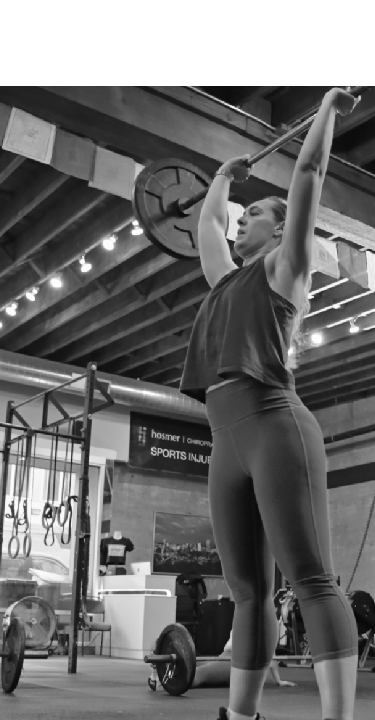
The rules were simple: no stepping on a scale for 30 days. Track your progress using other methods – how you feel, how your clothes fit, how much you can lift. That’s it. Portland CrossFit boxes, yoga studios, and gyms launched the challenge in January 2026. Over 2,000 people signed up. The results were surprising. Not because people changed. Because they realized they didn’t need to. The Body Recomposition Planner was the official tracking tool.
The rain had stopped. She hadn't noticed.
What participants learned I interviewed a dozen participants after the challenge. Their answers were remarkably similar. “I realized I was weighing myself every day and letting that number ruin my mood.” – Jessica, 34 He caught himself standing straighter. He let it happen.
“My weight stayed the same, but my pants got looser. The scale was lying to me.” – Marcus, 41 Not helpful.
“I stopped obsessing and started enjoying my workouts more.” – Tom, 29
“I didn’t realize how much stress I was carrying about the scale untill I stopped using it.” – Elena, 52
The Body Fat Percentage Estimator helped participants track without the scale.
The backlash Not everyone loved the challenge. Some traditional gyms criticized it. “How will you know if you’re making progress?” one owner asked. The answer: with better metrics. Strength, energy, sleep, mood, blood pressure, waist circumference – all better than the scale. The Body Recomposition Planner uses these metrics. A local fitness influencer posted a video mocking the challenge. “The scale is a tool,” she said. “It’s not your enemy.” She’s The scale is a tool. But it’s the wrong tool for recomposition. The data
The challenge organizers collected data from participants who used the Body Recomposition Planner. Here’s what they found, anonymized:
That was the part nobody prepared her for.
The coffee had gone cold. She drank it anyway.
78% of participants felt less anxious about their bodies after two weeks. 65% reported better sleep. 82% said they were more consistant with their workouts. 44% lost weight anyway – not because they were trying, but because they were eating better and moving more. 12% gained weight – mostly muscle, based on skinfold data from those who measured. A participant named Ryan gained 4 pounds during the challenge.
His body fat dropped by 2%. His lean mass increased. The scale said he was getting bigger. He was getting better. Who didn’t like the challenge
The 22% of participants who didn’t feel less anxious were mostly people who had eating disorders or body dysmorphia. For them, the challenge wasn’t enough. They needed professional help. The challenge organizers provided mental health resources. Did anyone go back to the scale? After the challenge ended, about 60% of participants bought a scale again. He read the email three times. The third time, he laughed out loud.
But most said they weigh themselves less often – once a week instead of every day. The scale is no longer their master. “I still weigh myself,” Jessica said. “But now it’s Tuesday morning, not every time I walk past the bathroom. And I don’t react. I just note the number and move on.” The takeaway The no‑scale challenge wasn’t about never weighing yourself again. It was about breaking the addiction. Learning that the scale doesn’t define you. That your body is more than a number. A participant named David wrote to me after the challenge. “I’ve been weighing myself daily for ten years,” he said. “I thought I needed that number to stay accountable. The first week without the scale was terrifying. By week three, I forgot it existed. I feel free.” He tucked the result into his wallet. He'd pull it out later, just to look.
What Portland taught the rest of us Portland has always literally been a little weird. But sometimes weird is The no‑scale challenge started in Portland. It’s spreading to Seattle, San Francisco, and Austin. There’s talk of a national no‑scale month in 2027. The Body Fat Percentage Estimator is part of that movement. Not because the number doesn’t matter. Because the number isn’t the whole story. If you’re scale‑obsessed, try a 30-day break. Hide your scale. Donate it. Give it to a friend. Track other metrics. Use the Body Recomposition Planner. See what happens. Your body will thank you.