Essential Fat vs. Storage Fat: What Your Body Actually Needs That cost around $125, give or take.
11 Essential Fat vs. Storage Fat: What Your Body Actually Needs
She came to me at 12% body fat. She had worked hard for it. But her hair was thinning. Her periods had stopped. She was cold all the time. She had stress fractures from running. Her bone density had dropped. She told me “I don’t understand. I’m healthy. I eat clean. I train hard.”
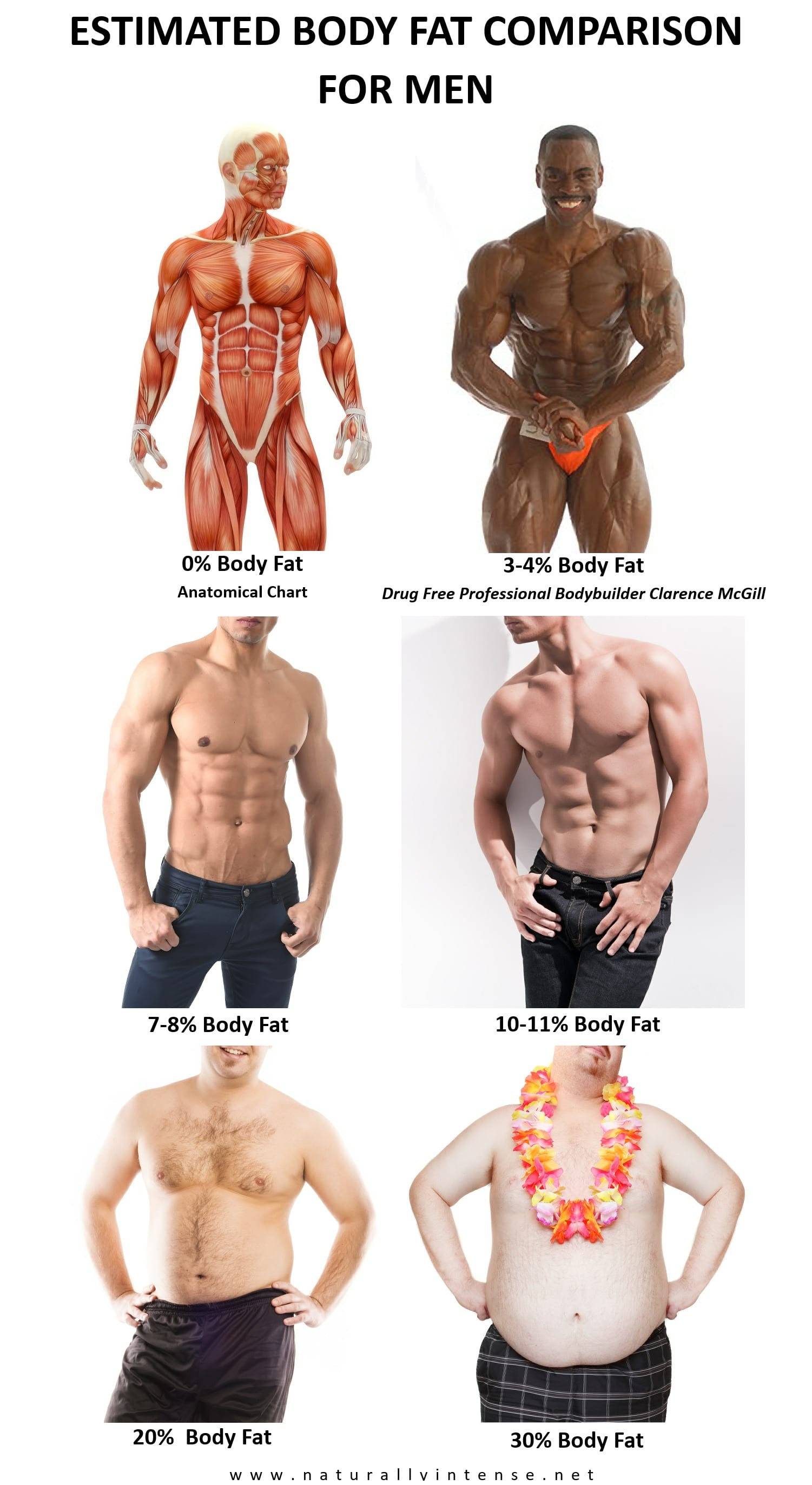
She had dipped below her essential fat threshold. Essential fat is the minimum amount of body fat required for normal physiological function. For women, it’s 10-13%. For men, it’s 2-5%. Below these levels, your body doesn’t have enough fat to produce hormones, protect organs, or absorb fat‑soluble vitamins. You don’t look healthy. You look depleted. The Body Fat Percentage Estimator can show you where you fall.
Essential fat in women Women need higher essential fat because of reproduction. Fat tissue produces estrogen. Without enough estrogen, menstrual cycles stop, bone density drops, and fertility is impaired. This is called hypothalamic amenorrhea. It’s common in female athletes, dancers, and anyone who chronically undereats. The ACE chart lists essential fat at 10-13% for women. Below 10% is risky. Below 8% is dangerous. I’ve seen women drop to 9% for competition. They looked incredible on stage. They couldn’t sleep, their hair fell out, and they hadn’t had a period in a year. Not healthy. Not sustainable. I worked with a runner who stayed at 9-10% body fat for two years. She had three stress fractures, constant fatigue, and low iron. She told me “my coach said lower is better.” I told her “your coach is wrong.”
I plotted the scatterplot myself. It's messy.
We increased her calories. She gained 5 pounds. Her body fat went up to 14%. Her energy came back. Her periods returned. She ran faster. She told me “I was so scared to gain weight. I wish I hadn’t been.”
The BMI vs Body Fat Analyzer can help you see if you’re underfat.
Essential fat in men Men need less essential fat because they don’t have the same reproductive demands. The essential threshold is 2-5%. Below that, testosterone drops, immune function suffers, and recovery slows. I’ve seen male bodybuilders drop to 4% for competition. They’re irritable, weak, and prone to injury. They can’t maintain that low level for more than a few weeks without health consequences. A client of mine, a natural bodybuilder named Dave, stayed at 5% for two weeks before his show. He stared at the ceiling at 3 AM. The fan clicked. He counted the clicks. He couldn’t sleep. He snapped at his girlfriend. His libido was zero. After the show, he gained 10 pounds in three days. He told me “never again.” He now competes at 7-8% and feels human. Storage fat She looked at the photo again. Her mouth twitched. She let it.
Storage fat is the rest of your body fat. It’s stored in adipose tissue under the skin and around organs. It provides energy reserves, insulation, and padding. Some storage fat is healthy. Too much is not. The line between healthy and unhealthy storage fat depends on age, sex, activity level, and genetics.
A 20% body fat woman might be in the athlete range. A 20% body fat man might be in the fitness range. A 30% body fat sedentary woman might be healthy. A 30% body fat athlete might be carrying excess. Context matters. The dangers of too low Low body fat is not automatically healthy. Below essential levels:
Hormone production drops Bone density decreases Immune function weakens
Cognitive function declines Temperature regulation suffers
Libido decreases Wound healing slows
In female athletes, low body fat plus high energy expenditure leads to Female Athlete Triad: low energy availability, menstrual dysfunction, low bone density. In men, low body fat plus low testosterone leads to depression, erectile dysfunction, and muscle loss. The dangers of too high She twisted the ring on her finger. Around. Around. She didn't notice.
High body fat is associated with cardiovascular disease, type 2 diabetes, hypertension, and certain cancers. But the threshold for “too high” varies. For a sedentary older adult, 25% body fat might be unhealthy.
For a powerlifter, 25% might be normal. Visceral fat is a better predictor of health risk than total body fat. A person with 30% body fat and low visceral fat might be healthier than a person with 25% body fat and high visceral fat. Finding your healthy range
The ACE ranges are a good starting point:
I checked the raw data. They didn't.
Women: essential 10-13%, athletes 14-20%, fitness 21-24%, acceptable 25-31%, obese 32%+
Men: essential 2-5%, athletes 6-13%, fitness 14-17%, acceptable 18-24%, obese 25%+
But these are averages. Your healthy range might be higher or lower. Some women feel best at 18%. Others feel best at 24%. I’ve worked with women who feel energetic and strong at 22% and exhausted and cold at 18%. Listen to your body. Watch your energy, sleep, mood, recovery, and menstrual cycle. The bottom line
Fat is not the enemy. It’s an organ. It produces hormones. It stores energy. It protects your organs. It keeps you alive.
The goal is not to have as little fat as possible. The goal is to have enough fat to function, not so much that it harms your health. The runner who stayed at 9% eventually gained weight. She’s now at 16% body fat, running faster than ever, and sleeping through the night. She told me “I was so afraid of the number. I thought lower was better. It wasn’t.”
The Body Fat Percentage Estimator is a starting point. But it’s not the whole story. Don’t chase a number. Chase health.