Navy Method vs. 3-Site Skinfold: Battle of the Estimators It was cheap — under $30.
23 Navy Method vs. 3-Site Skinfold: Battle of the Estimators
You have a tape measure and ninety seconds. Or you have calipers and five minutes. Which method should you use to estimate your body fat? I get this question from people who don’t have access to DEXA. They want something better than BMI, but they don’t know whether to trust the Navy method or skinfold calipers. Both are estimates. Both have error. But they’re different kinds of error. The Body Fat Percentage Estimator includes both methods.
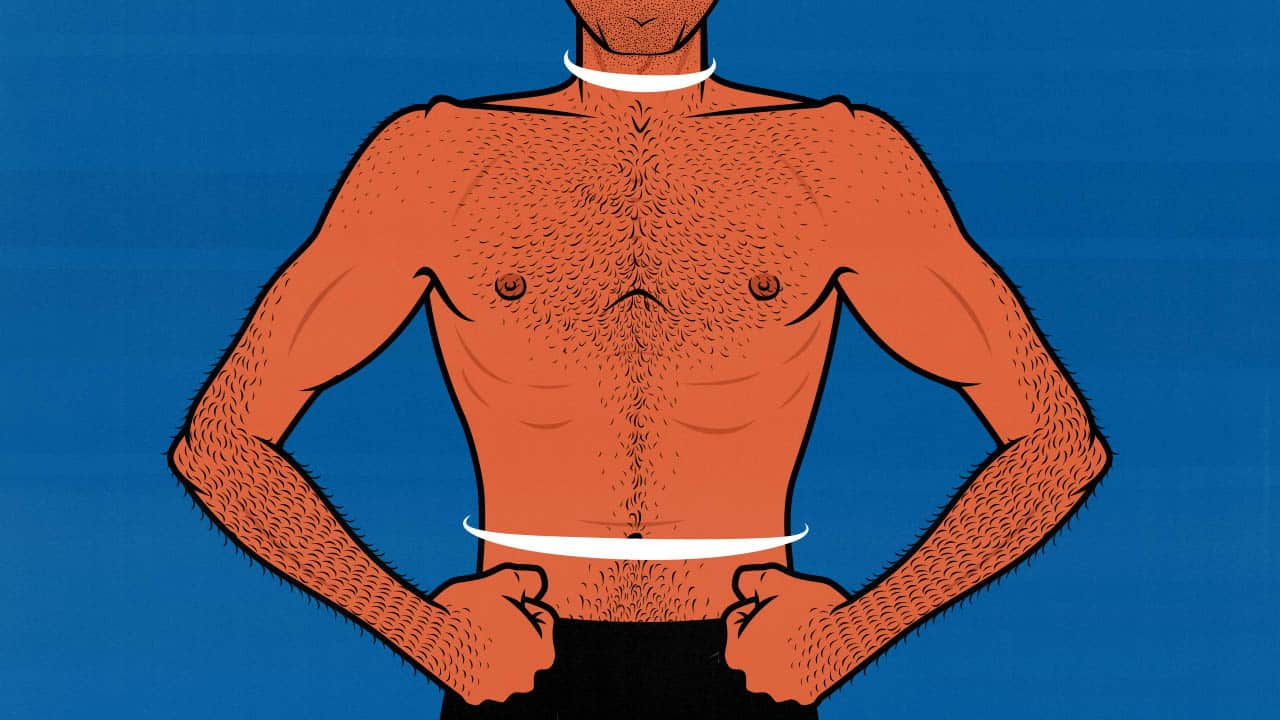
How the Navy method works The Navy method uses circumference measurements. For men: neck and waist. For women: neck, waist, and hips. You also need your height and weight. The formula is based on a 1980s study of Navy personnel. It’s been validated in several populations. It’s fast – under two minutes – and requires no special equipment. The steps are simple. Measure your neck at the narrowest point, just below the Adam’s apple. For men, measure your waist at the belly button. For women, measure your waist at the narrowest point and your hips at the widest point. Then plug the numbers into the formula. The Body Fat Percentage Estimator does this automatically. How 3-site skinfold works The 3-site Jackson-Pollock protocol is different. For men: chest, abdomen, thigh. For women: triceps, suprailiac, thigh. You need calipers – plastic or metal. You need to locate the sites correctly. You need consistent technique. The caliper measures the thickness of the fat layer in millimeters. The sum of the three sites goes into a formula that estimates body density, then body fat percentage. It takes about five minutes once you’re good at it. It takes longer when you’re learning. Accuracy comparison
Navy method: ±4-8% error. The error is larger for athletic individuals because neck circumference may be large from muscle. A powerlifter with a thick neck will get a falsely low body fat reading. A pear‑shaped person with a small waist but large hips will get a falsely high reading. 3-site skinfold (skilled technician): ±4-6% error. For a novice, the error can be ±8% or more. The error is systematic – if you consistently measure the same sites with the same technique, the error direction is consistant, making it useful for tracking trends. For most people, skinfolds are slightly more accurate than Navy method, but only if you practice. The Skinfold Measurement Tracker can help you log your readings.
Convenience Navy method wins. No equipment (except a tape measure). No learning curve. No contortion. No need to mark sites. You can do it in your bathroom in your underwear. Skinfolds require practice. You have to learn site locations. You have to get comfortable pinching your own skin. You have to buy calipers. Body shape limitations
Navy method assumes average fat distribution. If you carry fat differently – more in your arms, more on your back, more on your thighs – the Navy method will be off. Skinfolds measure multiple sites, so they capture distribution better. The 3-site protocol covers the trunk (abdomen for men, suprailiac for women), limbs (thigh, and for women triceps), and chest for men. The 7-site protocol is even better. I had a client named Maria who carried most of her fat in her thighs and hips.
Her waist was small. The Navy method put her at 23% body fat. Skinfolds measured her thigh and suprailiac – both thick – and gave her 28%. Her DEXA was 29%. Skinfolds were closer. Tracking changes
Both methods can track changes, but skinfolds are more sensitive. The tape measure changes slowly. You might lose 2% body fat without seeing a change in your waist circumference. Skinfolds will pick up that change. A client named Tom lost 5 pounds of fat and gained 3 pounds of muscle.
His waist stayed the same. His Navy method estimate didn’t change. His skinfold sum dropped by 15mm. He could see his progress. Which should you use? Use the Navy method if:
You have no equipment and don’t want to buy any
You’re just starting and want a rough baseline
You have average fat distribution You don’t want to learn a new skill
Use 3-site skinfold if: You want more accuracy
You’re tracking progress over months You have uneven fat distribution
You’re willing to practice How to improve both methods
For Navy method, measure three times and average. Use the same tape measure each time. Measure at the same time of day. For skinfolds, practice on a friend first. Mark your sites with a washable marker. Measure three times per site and average. Use the same calipers each time. The bottom line
Both methods are estimates. Neither is DEXA. But they’re both better than BMI. The best method is the one you’ll use consistently. A friend of mine uses the Navy method because it’s fast. He measures his waist every Sunday morning. He’s seen it go from 36 inches to 33 inches over two years.
That’s progress. He doesn’t need calipers. Another client uses skinfolds because she likes the detail. She measures every four weeks. She can see changes in her thigh and triceps that she wouldn’t see with a tape measure. Pick one. Be consistent. Track trends.